Guide
Blood Sugar Basics: Insulin, A1C, Fasting Glucose and When to Get Checked
Blood sugar is the glucose in your blood, and insulin moves it into your cells. An A1C of 5.7-6.4% or a fasting glucose of 100-125 mg/dL means prediabetes; 6.5% or 126 mg/dL and above means diabetes (NIDDK, Diabetes & Prediabetes Tests). Only a lab test can tell. A supplement such as Olivaro belongs after medical care, never in place of it.
Written by the Olivaro editorial teamUpdated
Start here
What is blood sugar?
Blood sugar, or blood glucose, is the main fuel your body runs on. It comes mostly from the carbohydrates you eat and drink, such as bread, rice, fruit and sweets.
After a meal, glucose moves from your gut into your blood. Your level rises for a while, then falls as cells take the glucose in. Between meals, the liver releases stored glucose to keep the level steady.
Blood sugar is measured in milligrams per deciliter, written mg/dL. A home meter shows one moment in time. Lab tests such as A1C show a longer picture.
Numbers that run high for years can damage blood vessels, nerves, eyes and kidneys. That is why checking early matters, even when you feel fine.
Insulin
What does insulin do?
Insulin is a hormone made by the pancreas. It works like a key that lets glucose leave the blood and enter your cells, where it is used for energy or stored.
Type 1 diabetes
The body makes little or no insulin. People with type 1 need insulin every day.
Type 2 diabetes
The body makes insulin but does not respond to it well, and over time may not make enough. It is the most common type.
Prediabetes
Blood sugar runs higher than normal but not high enough for diabetes. It often has no symptoms.
When cells resist insulin, glucose stays in the blood longer. The pancreas works harder to keep up. Food, activity, sleep, weight and medicines all affect how well this system works.
The numbers
What do A1C and fasting glucose numbers mean?
Two lab tests, three ranges. Your doctor reads them together.
A1C shows your average blood sugar over about the past three months, as a percentage. Fasting glucose shows your level after at least eight hours without food, in mg/dL.
- NormalA1CBelow 5.7%Fasting glucose99 mg/dL or below
- PrediabetesA1C5.7% to 6.4%Fasting glucose100 to 125 mg/dL
- DiabetesA1C6.5% or higherFasting glucose126 mg/dL or higher
NIDDK ranges (NIDDK, Diabetes & Prediabetes Tests). Only a lab test and a clinician can make a diagnosis. Low blood sugar usually means a reading below 70 mg/dL (NIDDK, Low Blood Glucose).
| Test | What it measures | Prediabetes | Diabetes |
|---|---|---|---|
| A1C | Average over about 3 months; no fasting needed | 5.7% to 6.4% | 6.5% or higher |
| Fasting plasma glucose | One morning reading before eating | 100 to 125 mg/dL | 126 mg/dL or higher |
| 2-hour oral glucose tolerance test | Level 2 hours after a sweet drink | 140 to 199 mg/dL | 200 mg/dL or higher |
A diagnosis of diabetes needs confirmation, usually a second test (NIDDK, Diabetes & Prediabetes Tests). One home meter reading is not a diagnosis.
CDC 2026 update
How common are diabetes and prediabetes in the U.S.?
Very common. The CDC's 2026 report, using 2023 data, counts 40.1 million people with diabetes and 115.2 million adults with prediabetes (CDC, National Diabetes Statistics Report).
Many people with prediabetes do not know they have it. A simple blood test at a checkup is the way to find out.
Warning signs
What are the signs of high and low blood sugar?
High blood sugar often causes thirst, frequent urination and tiredness. Low blood sugar, generally below 70 mg/dL, causes shakiness, sweating and confusion and needs fast action.
Signs of diabetes
Frequent urination, more thirst and hunger, weight loss you did not plan, fatigue, blurry vision and frequent infections. Type 2 can also bring slow-healing sores and numb or tingling hands or feet (CDC, Symptoms of Diabetes).
Signs of hypoglycemia
Shakiness, sweating, hunger, dizziness, confusion and a fast heartbeat. Severe lows can cause seizures or passing out. Insulin, sulfonylureas and meglitinides can cause lows (NIDDK, Low Blood Glucose).
If you use diabetes medicine and your meter shows a low, NIDDK advises 15 to 20 grams of fast carbohydrate, such as juice or glucose tablets, then a recheck after 15 minutes (NIDDK, Low Blood Glucose). Stick with the plan your care team gave you.
Many people with high blood sugar feel nothing at all. Feeling well is not proof your numbers are normal.
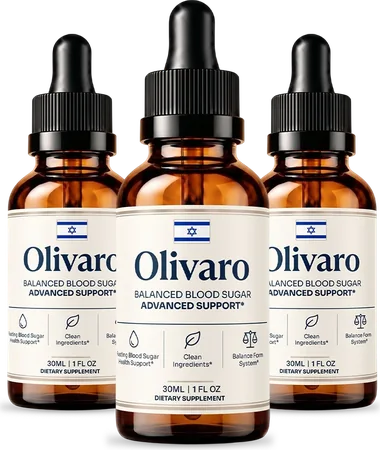
Try Olivaro with a 60-day guarantee1-2 droppers a day · from $49 a bottle · free U.S. shipping on 3 or 6 bottles
Order nowGetting checked
When should you get your blood sugar checked?
Ask for a test if you have any of the signs above, or ask at your next routine checkup when testing makes sense for you. Your doctor weighs your age, weight, family history and other health factors.
Book a visit
Tell your doctor about symptoms, family history and any supplements you use.
Get a lab test
A1C needs no fasting. Fasting glucose needs about eight hours without food first.
Write down your numbers
Keep your A1C and fasting results with the date, so you can compare them over time.
Agree on a plan
Prediabetes often starts with lifestyle steps. Diabetes may need medicine as well.
If you already have diabetes, your care team sets how often to check at home and in the lab. Bring your meter log to visits.
What works
What lowers the risk of type 2 diabetes?
Lifestyle change has the strongest proof. In the Diabetes Prevention Program, people who aimed for 7% weight loss and 150 minutes of activity a week cut their risk of type 2 diabetes by 58% (NIDDK, Diabetes Prevention Program).
- The benefit was even larger, 71%, in people aged 60 and older (NIDDK, Diabetes Prevention Program).
- Losing 5-7% of body weight is 10-14 pounds for a 200-pound person (CDC, Prediabetes).
- Brisk walking counts. Thirty minutes, five days a week, reaches 150 minutes.
- The CDC-led National Diabetes Prevention Program offers a year-long lifestyle class (CDC, Prediabetes).
In the same trial, metformin cut risk by 31% (NIDDK, Diabetes Prevention Program). No supplement has results like these.
Supplements
Where does a blood sugar supplement fit?
After medical care, never instead of it. NCCIH warns against replacing diabetes treatment with an unproven product (NCCIH, Diabetes and Dietary Supplements). The ADA says supplements bring no benefit without a deficiency (ADA, Vitamins & Supplements).
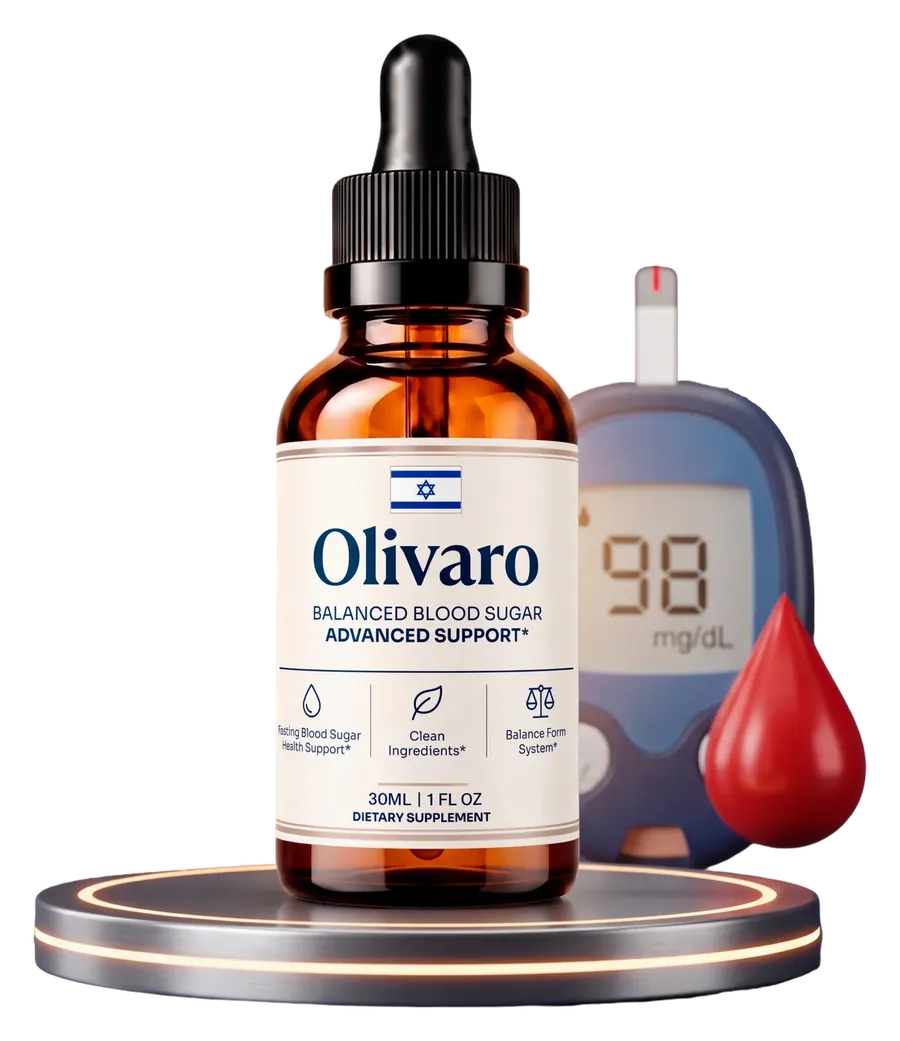
Olivaro is a dietary supplement. Its sales page positions it as "nutritional support for glucose metabolism, metabolic health, and weight management". It is not a diabetes medicine, and no study of Olivaro itself has been published.
Never change a diabetes medicine without talking to your doctor first. Some herbs can add to the effect of insulin or sulfonylureas and raise the risk of a low.
Our guide on supplements and diabetes medicine lists the Olivaro ingredients that matter here. To compare products, see how to choose a blood sugar supplement. The full label is on the Olivaro Supplement Facts page.
Bottom line
Blood sugar basics in four lines
Know your A1C and fasting glucose. Learn the signs of highs and lows. Move more and aim for modest weight loss if your doctor agrees. Treat any supplement as an extra, discussed with your care team, on top of the plan that already works.
FAQ
Blood sugar basics: common questions
What is a normal fasting blood sugar level?
A fasting glucose of 99 mg/dL or below is in the normal range. From 100 to 125 mg/dL points to prediabetes, and 126 mg/dL or higher on two tests points to diabetes, according to NIDDK. Your doctor confirms any diagnosis with a lab test.
What A1C level means prediabetes?
An A1C from 5.7% to 6.4% means prediabetes, and 6.5% or higher means diabetes. A1C reflects your average blood sugar over about three months, so it does not need fasting. Ask your doctor how often to repeat it based on your result.
What blood sugar level is too low?
For many people with diabetes, a reading below 70 mg/dL is low. Signs include shakiness, sweating, hunger, dizziness, confusion and a fast heartbeat. NIDDK advises 15 to 20 grams of fast carbohydrate, then a recheck after 15 minutes, unless your care team gave another plan.
How many Americans have prediabetes in 2026?
The CDC's 2026 report, based on 2023 data, estimates 115.2 million U.S. adults have prediabetes. It also counts 40.1 million people with diabetes, about 12.0% of the population, including roughly 11 million adults who have not been diagnosed.
Can prediabetes be reversed without medicine?
Many people bring their numbers back to the normal range with lifestyle change. In the Diabetes Prevention Program, aiming for 7% weight loss plus 150 minutes of activity a week cut type 2 diabetes risk by 58%. Your doctor can tell you whether medicine is also needed.
Can a supplement like Olivaro replace a blood sugar test?
No. Olivaro is a dietary supplement and cannot show, diagnose or treat anything. Only a lab test such as A1C or fasting glucose shows where your numbers stand. Get tested first, then talk with your doctor before adding any supplement to your routine.
Does a home glucose meter diagnose diabetes?
No. A home meter shows a single moment and is useful for tracking, but diagnosis needs lab tests, usually repeated to confirm. If your meter often shows high numbers, book a visit and bring your log so your doctor can order the right tests.
Who wrote this
Written and reviewed by
Plain-language pages built from the label, the sales page and linked public health sources.
Page updated . See our editorial standards and how we check reviews. This website is run by a U.S. stocking partner, not by the manufacturer. Purchases through our order links earn us money.
Keep reading
More about Olivaro


U.S. stocking partner for Olivaro
Ready to try Olivaro?
Pick a pack. One dropper a day, and every pack covers the 30 days of use the guarantee asks for before a claim.
- Secure checkout
- 60-day money-back
- Ships from the U.S.